 English






S1-5: Why the Chinese Believe a Box Should Stay
Published: 2026-09-04 | Series 1: The Craft (China) — Finale | Reading time: 6 minutes
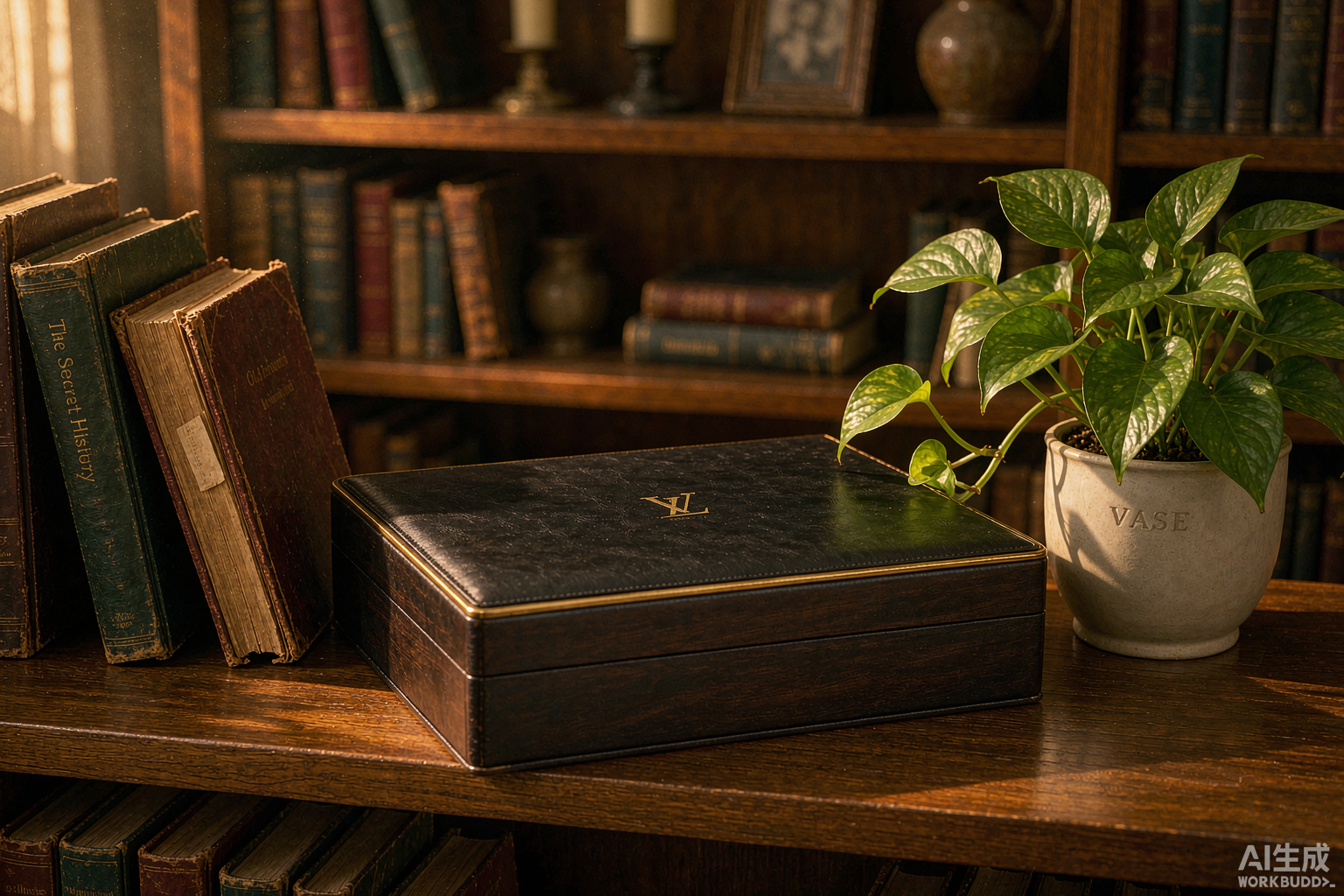
Ask a Western friend what happens to a gift box after the gift is opened, and the answer is usually the same: it goes into the recycling. The gift was the thing. The box was the wrapper. The wrapper was never meant to last.
Ask a Chinese person the same question, and you may get a pause — then a small, certain answer: we keep it.
Why? The box is empty. The gift is gone. What is left to keep?
This is the question that sits underneath the whole craft. And the answer is the oldest idea in Chinese giving: the box was never the wrapper. The box was the thing.
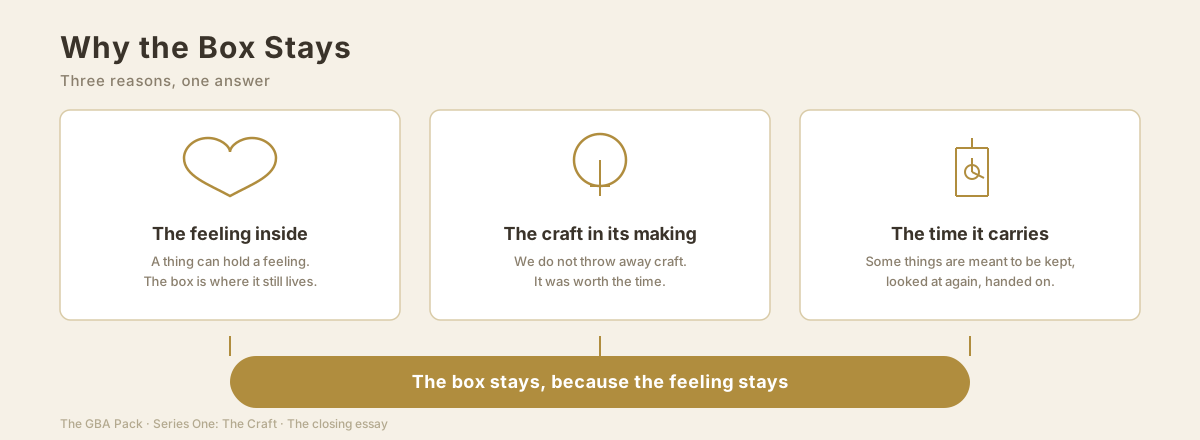
A thing can hold a feeling.
Chinese has a phrase for what happens when you look at an object and remember the person who gave it: 睹物思人 — "seeing the thing, remembering the person." It is not sentimentality. It is a way of understanding what objects are for.
In this view, a gift is not finished when it is opened. It continues — quietly — in the object that carried it. The box is not the gift's wrapper. It is the gift's afterimage, the part that stays behind when everything else has been used up. A Chinese person keeps the box because, in a very practical sense, the box is where the feeling still lives.
The box is the proof of the ritual.
A ritual, once it is over, needs a witness. The ceremony of giving — the choosing, the wrapping, the offering with both hands — leaves no photograph and no receipt. What it leaves is the box.
This is why, in China, so much care goes into the container. Not because the container is expensive, but because it is evidence. A beautiful box that survives the giving says something the gift itself cannot: I was chosen carefully. I was wrapped with intention. The moment I entered your hands, it was a ceremony, not a transaction.
The box is the receipt the heart keeps.
The box is the craft, still breathing.
And the box stays because it deserves to. A box finished with a hand-tested foil, a fingernail-checked emboss, a velvet that silences the reveal — that box is not a disposable shell. It is a small piece of craft, the last link in a chain that runs from Bi Sheng's clay type and Cai Lun's vat of fibres, to the shelf in your home.
We do not throw away craft. A thing made by patient hands is given a longer life by the same hands that receive it. To keep the box is to agree with the maker that the work was worth the time.
Keeping is not hoarding. It is respect for time.
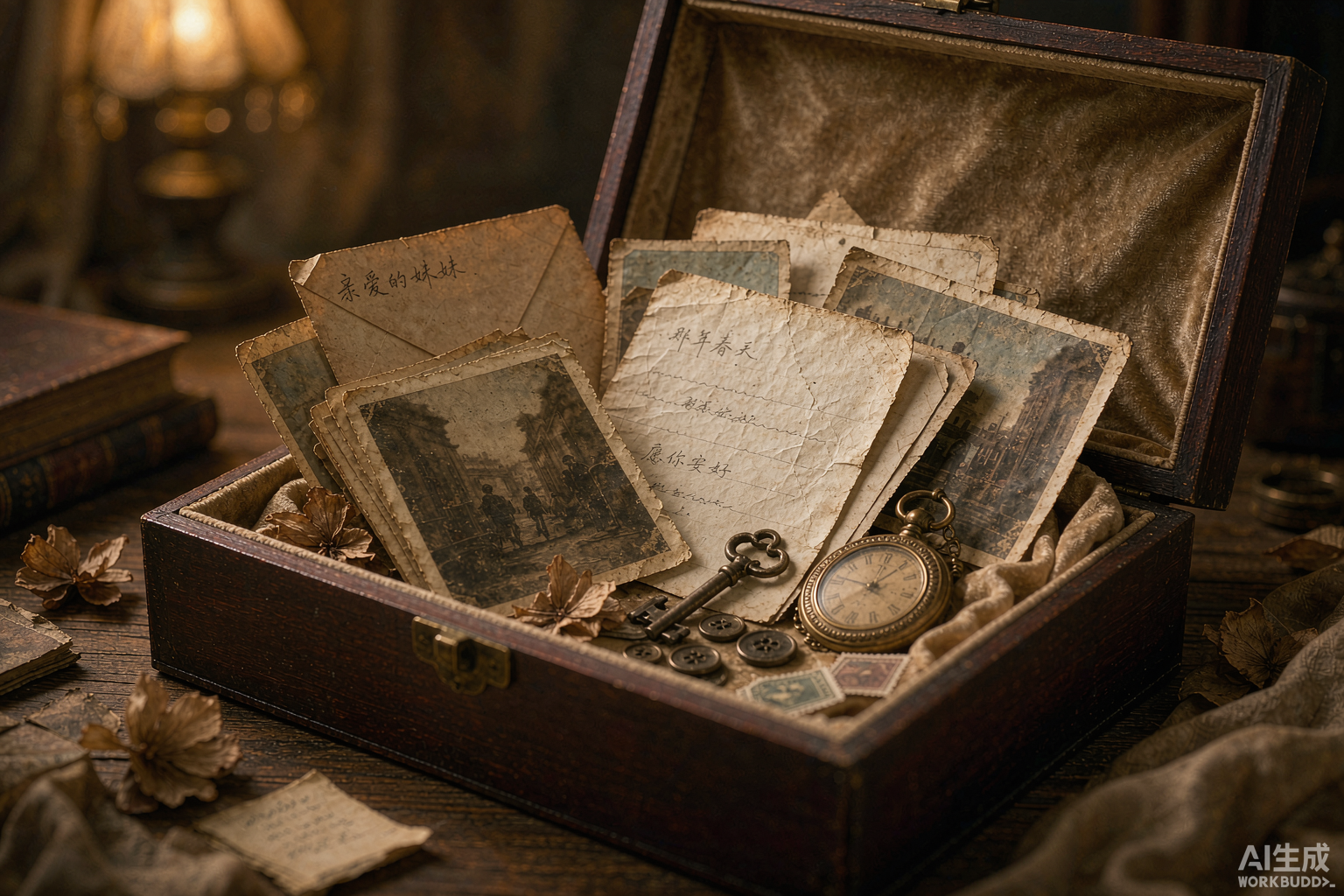
To a culture of fast turnover, keeping an empty box can look like clutter. But in China, keeping is not hoarding. It is a quiet statement about time: that some things are not meant to be used up, but to be kept — to be looked at again years later, to be handed on.
The Chinese have always kept the objects that mattered: the lacquer box, the jade, the calligraphy, the family heirloom. The box on the shelf belongs to that same lineage. It is not stored. It is kept. The difference is the whole point.
The box stays, because the feeling stays.
So here is the answer, plainly: a Chinese person keeps the box because the box was never empty. It holds the memory of a hand that chose it, the patience of a craft that made it, and the small ceremony of the moment it was given.
A box that stays on the shelf is no longer a box. It has become a small house for a feeling. And a feeling, once it has a house, is never thrown away.
GBA Pack — Greater Bay Area Certified Packaging Manufacturers. Dongguan, China. We make boxes for feelings to live in.